
Genetic hair loss is one of the most common reasons people experience thinning hair, a receding hairline, or bald patches. It can affect both men and women, often developing gradually over time. Although changes in hair density are a natural part of the condition, they can influence confidence and make people look for lasting solutions.
One treatment that has gained considerable attention is hair transplantation. But can it actually treat genetic hair loss, and will the results last? The answer depends on several factors, including the pattern of hair loss, the quality of the donor hair, and the individual's long-term hair restoration needs.
For people exploring Hair Transplant in dubai, understanding the relationship between genetics and hair restoration can help them make informed decisions and develop realistic expectations.
Understanding Genetic Hair Loss
Genetic hair loss, commonly known as androgenetic alopecia, is a hereditary condition that affects the natural hair growth cycle. It is associated with genetic susceptibility and the effects of hormones on hair follicles.
In susceptible individuals, certain follicles gradually become smaller through a process called miniaturisation. As a result, the hair strands become finer, shorter, and less noticeable until some follicles stop producing visible hair.
Common signs of genetic hair loss include:
- A receding hairline, particularly around the temples.
- Thinning at the crown or top of the head.
- Gradual reduction in overall hair density.
- Widening of the parting in women.
- A family history of pattern baldness.
Unlike temporary hair shedding, genetic hair loss usually progresses over time. Identifying the underlying cause is important because not every type of hair loss responds to transplantation in the same way.
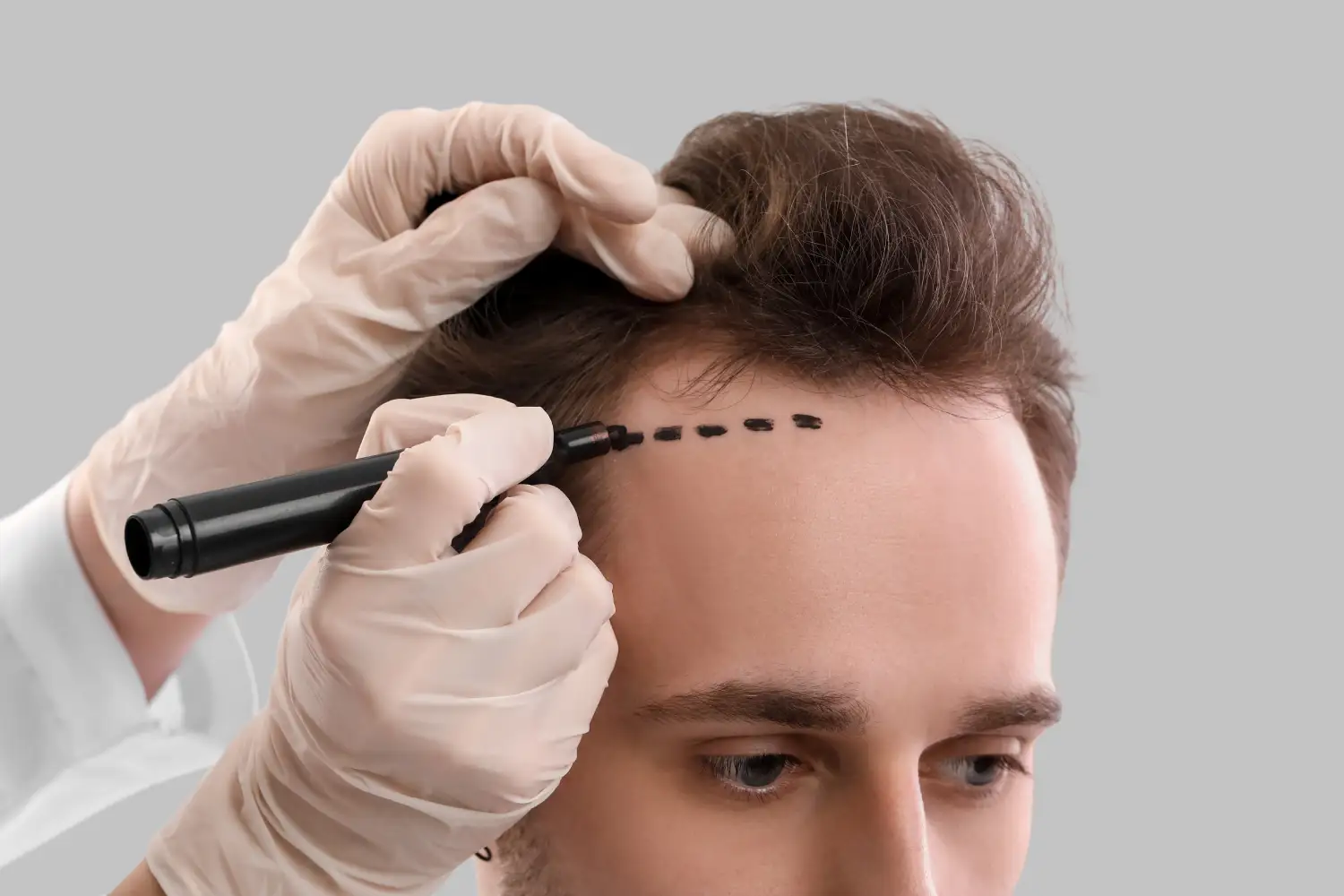
Can a Hair Transplant Treat Genetic Hair Loss?
Yes, a hair transplant can restore hair in areas affected by genetic hair loss, provided the individual is a suitable candidate. The procedure involves moving hair follicles from a donor area, usually at the back or sides of the scalp, to areas experiencing thinning or baldness.
These donor follicles are generally more resistant to the hormonal effects responsible for pattern hair loss. When carefully selected and transplanted, they can continue to grow in their new location.
However, it is important to understand that a hair transplant does not eliminate the genetic cause of hair loss. Instead, it restores hair to selected areas using follicles that are more resistant to the underlying process.
This distinction matters because the original hair surrounding the transplanted follicles may continue to thin. A successful treatment plan therefore considers both the hair that needs to be restored now and the possibility of future hair loss.
How Does a Hair Transplant Work?
Hair transplantation is a surgical procedure that relocates healthy hair follicles to areas where hair growth has decreased. Two commonly used techniques are Follicular Unit Extraction (FUE) and Follicular Unit Transplantation (FUT).
Follicular Unit Extraction (FUE)
FUE involves extracting individual follicular units from the donor area and placing them into carefully prepared recipient sites. It does not require removing a long strip of scalp, and it typically leaves small, scattered scars that may be difficult to notice once healed.
This method may appeal to people who prefer shorter hairstyles or want to avoid a linear donor scar.
Follicular Unit Transplantation (FUT)
FUT involves removing a narrow strip of scalp from the donor area. The strip is then divided into individual follicular units for transplantation.
Although FUT can leave a linear scar, it may be appropriate for selected patients depending on their donor characteristics, hair restoration goals, and surgical assessment.
Both techniques can produce natural-looking results when performed appropriately. The most suitable method depends on the individual's scalp condition, donor hair availability, and treatment objectives.
Who Is a Suitable Candidate?
Not everyone experiencing genetic hair loss is an ideal candidate for transplantation. A thorough assessment helps determine whether the procedure is likely to provide meaningful and lasting improvement.
Suitable candidates may include individuals who have:
- A clearly established pattern of genetic hair loss.
- Sufficient healthy donor hair at the back or sides of the scalp.
- Areas of thinning or baldness that can benefit from transplantation.
- Reasonably stable hair loss or a carefully planned approach to ongoing thinning.
- Realistic expectations about density, coverage, and long-term maintenance.
Age can also influence treatment planning. Younger individuals may still be experiencing rapid hair loss, making it difficult to predict how much native hair they will retain over time. In these cases, a conservative approach may be more appropriate.
A professional evaluation is essential to rule out other causes of hair loss, including nutritional deficiencies, certain medical conditions, and inflammatory scalp disorders. These conditions may require different treatments before transplantation is considered.
Will Transplanted Hair Fall Out Again?
Transplanted follicles are generally selected because they are more resistant to the hormonal effects associated with genetic hair loss. Once established, they can often provide long-lasting hair growth.
Nevertheless, the outcome is not identical for everyone. Some transplanted hairs may not survive, and the surrounding natural hair can continue to thin as the genetic condition progresses.
It is also normal for transplanted hair shafts to shed during the first few weeks after surgery. This temporary shedding, often called shock loss when it involves nearby hair, does not necessarily mean the transplant has failed. In many cases, new growth begins over the following months.
The final appearance depends on follicle survival, individual healing, hair characteristics, and the progression of existing hair loss.
Can Medication Help Manage Genetic Hair Loss?
Hair transplantation and medical treatment can serve different but complementary purposes. A transplant restores hair to selected areas, while appropriate medical therapies may help slow ongoing thinning in susceptible follicles.
Depending on the individual's circumstances, a qualified healthcare professional may discuss treatments such as minoxidil or prescription medications. Their suitability varies according to factors such as sex, age, medical history, potential side effects, and reproductive considerations.
Medication does not guarantee that genetic hair loss will stop completely, and it cannot recreate full density in every bald area. However, when appropriate, it may help preserve existing hair and support a more comprehensive long-term plan.
People considering Hair Transplant in dubai should discuss the potential benefits and limitations of both surgical and non-surgical options during their consultation.
What Results Can You Expect After a Hair Transplant?
Hair restoration takes time because transplanted follicles need to heal and re-enter their natural growth cycle.
The recovery and growth process generally follows this pattern:
- First two weeks: Small scabs and redness may develop around the transplanted area. Following aftercare instructions is important.
- First one to three months: Some transplanted hair shafts may shed before new growth becomes visible.
- Three to six months: Early regrowth may become noticeable, although density can remain limited.
- Six to twelve months: Hair growth and coverage generally become more apparent.
- Twelve to eighteen months: Some patients continue to see improvements in thickness and overall appearance, particularly in the crown.
These timeframes are approximate. Individual results vary, and not everyone follows precisely the same growth pattern.
Why Is Long-Term Planning Important?
Genetic hair loss can continue even after a successful transplant. Without careful planning, a person may develop additional thinning behind or around the transplanted area, potentially creating an uneven appearance.
A long-term strategy should consider the following:
- Donor hair preservation: Donor follicles are limited, so they should be allocated thoughtfully.
- Natural hairline design: A hairline should suit the person's facial features and remain appropriate as they age.
- Future hair loss: Treatment planning should account for the possibility of further thinning.
- Ongoing monitoring: Follow-up assessments can help evaluate growth and determine whether additional treatment is appropriate.
A transplant should not be viewed as a one-time solution that prevents all future hair loss. Instead, it is one part of a broader hair restoration strategy.
Choosing Hair Restoration in Dubai
When researching Hair Transplant in dubai, look beyond the procedure name and focus on the quality of the medical assessment, the suitability of the proposed technique, and the approach to long-term care.
A useful consultation should explain the cause of hair loss, evaluate donor hair quality, discuss realistic coverage, and outline the risks and limitations of surgery. It should also clarify who performs the surgical steps and how follow-up care is managed.
Dubai's diverse population includes people with different hair textures, skin characteristics, and hair restoration goals. An individualised treatment plan is therefore more appropriate than a standard approach designed for everyone.
Patients should feel comfortable asking questions, reviewing relevant before-and-after photographs, and understanding the expected recovery process before making a decision.
Conclusion
A hair transplant can be an effective option for treating the visible effects of genetic hair loss by moving resistant follicles into thinning or bald areas. However, it does not remove the underlying genetic tendency, and existing hair may continue to thin over time.
The best outcomes depend on appropriate patient selection, careful donor hair management, realistic expectations, and a plan for maintaining hair health in the years ahead. For those considering Hair Transplant in dubai, a comprehensive professional assessment is the first step towards understanding whether the procedure suits their needs and what results they can reasonably expect.